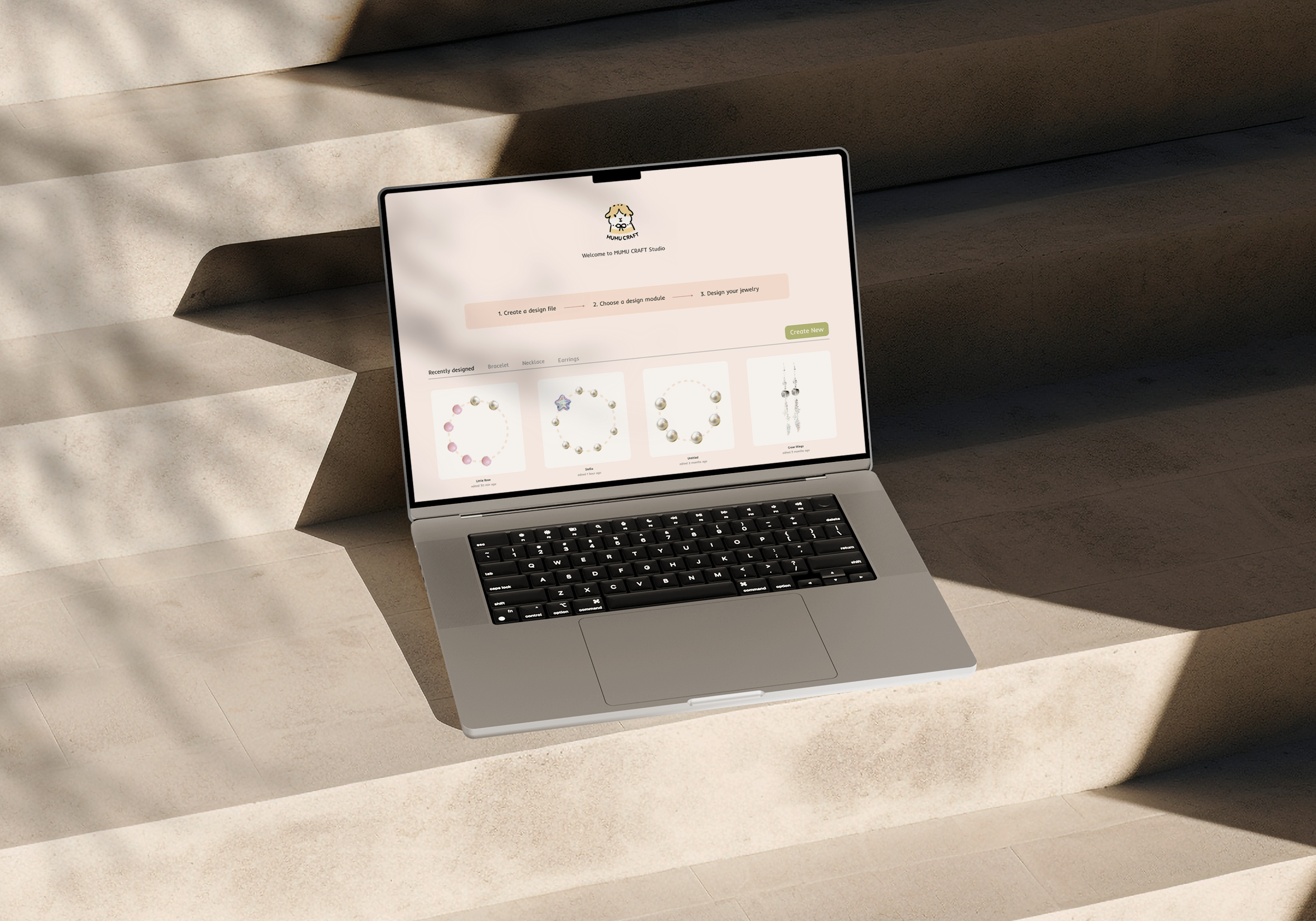
A customization plugin for handmade jewelry business
Background
Daisy,
Handicrafter
To address these pain points, I designed a customization plugin based on three guiding principles identified through user research:
Visual Builder
Turn abstract ideas into visual design
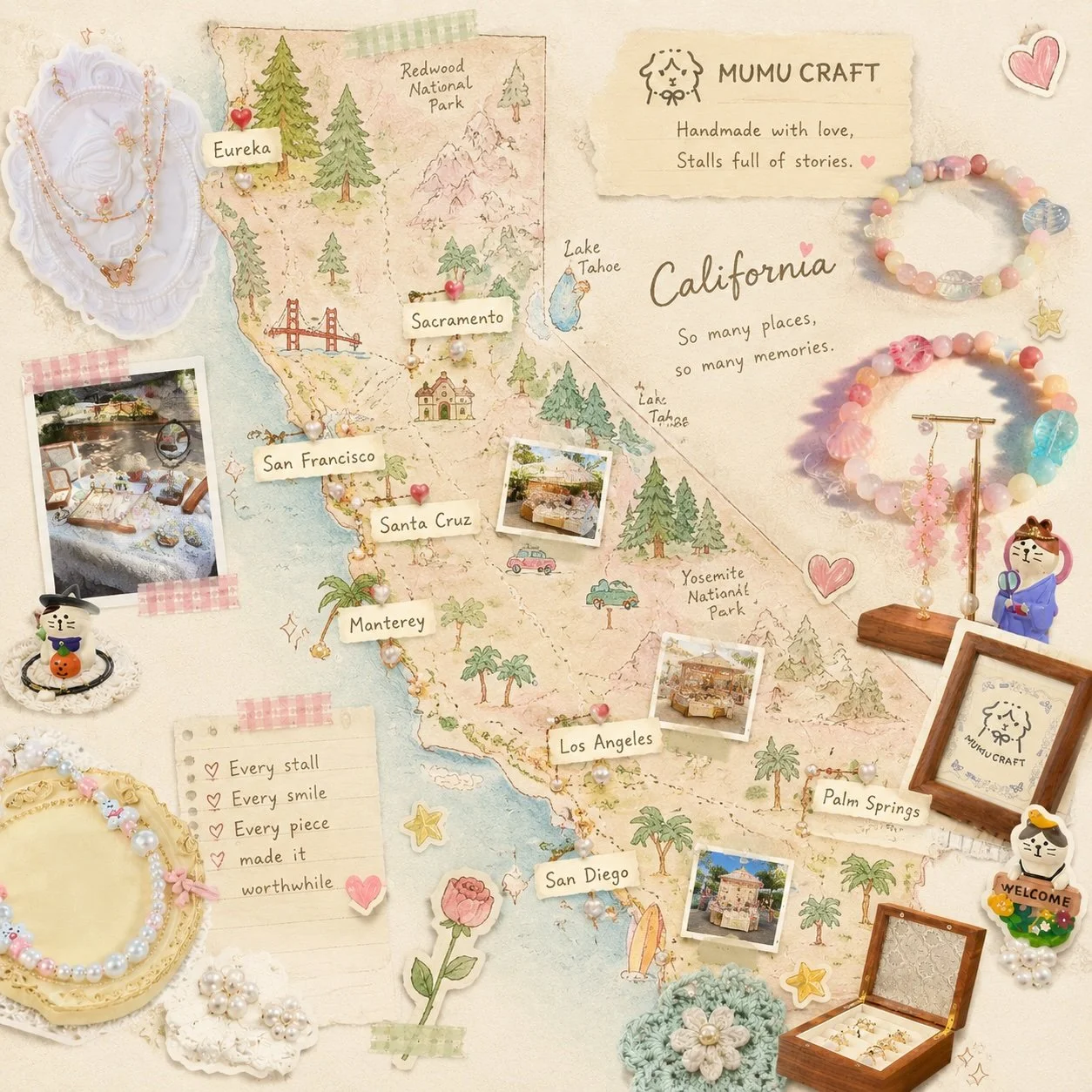
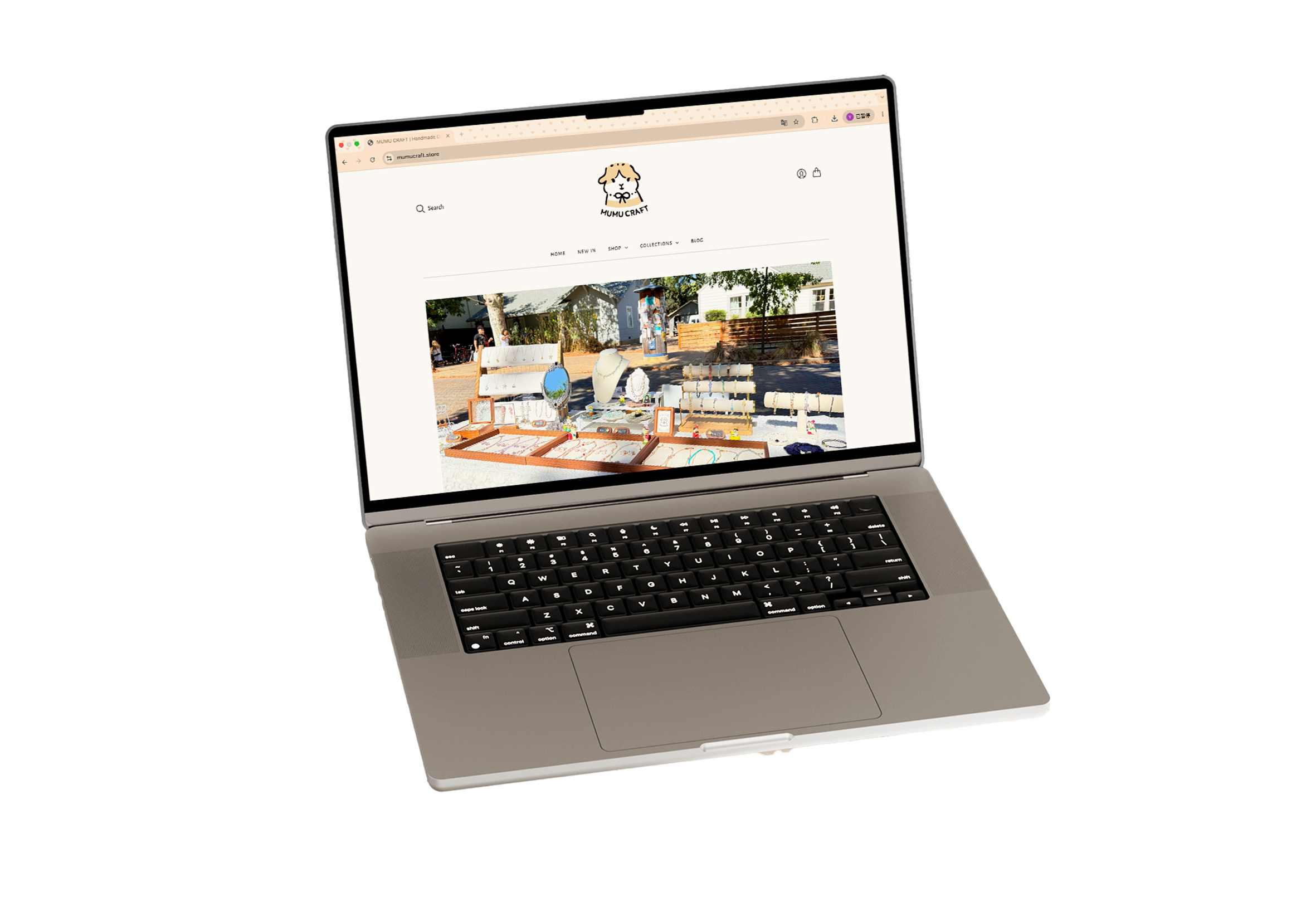
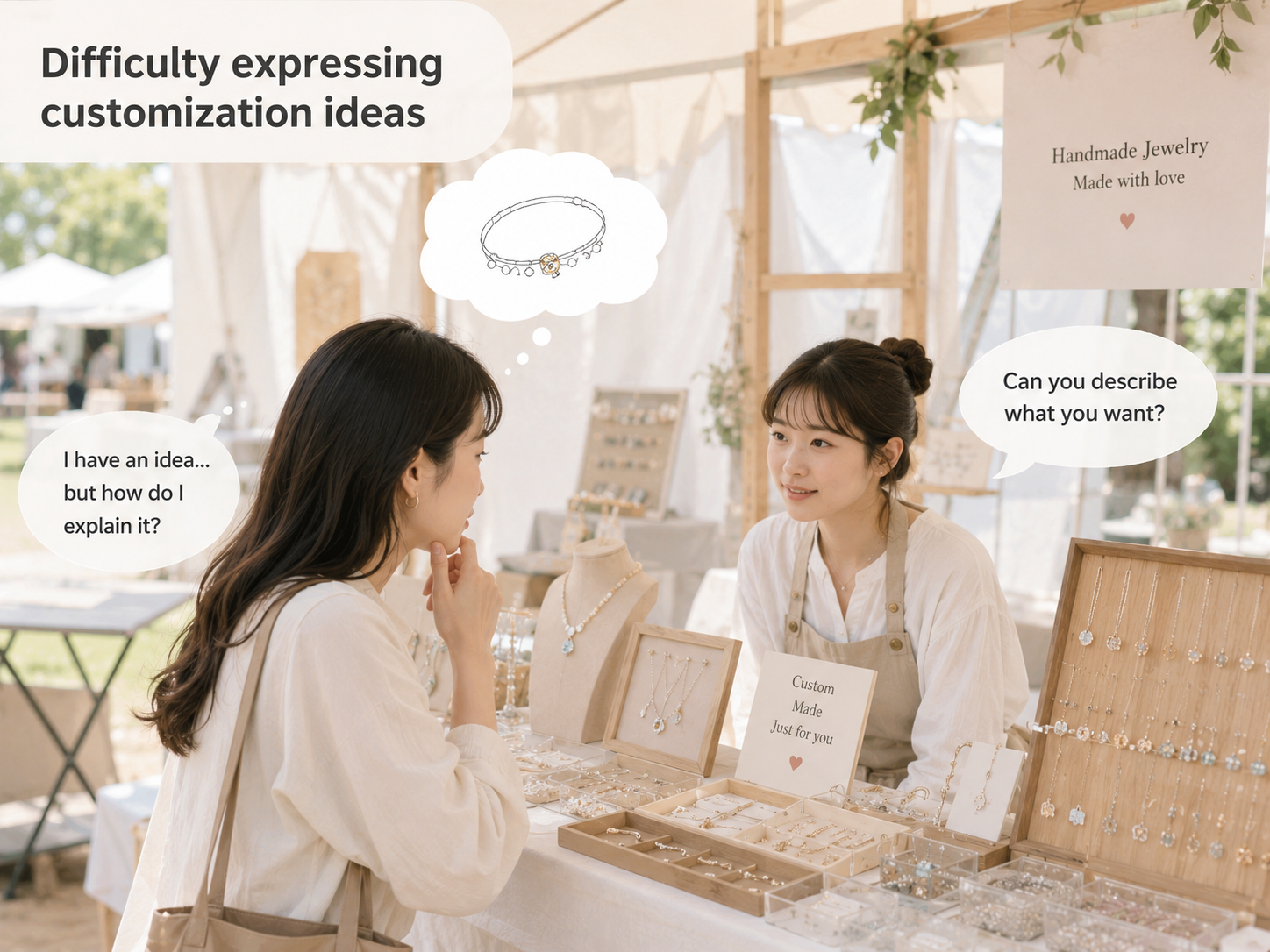
While running my handmade jewelry business, I discovered a growing demand for customizing handmade jewelry. However, the customization process was often hindered by communication barriers, unclear expectations, and difficulties in visualizing design ideas between the seller and customers.
Shirely (Customer): “I know the style I want, but I don't know how to describe it to the maker."
User Research
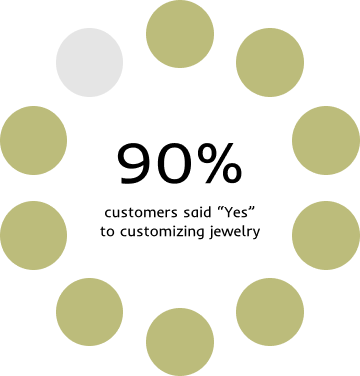
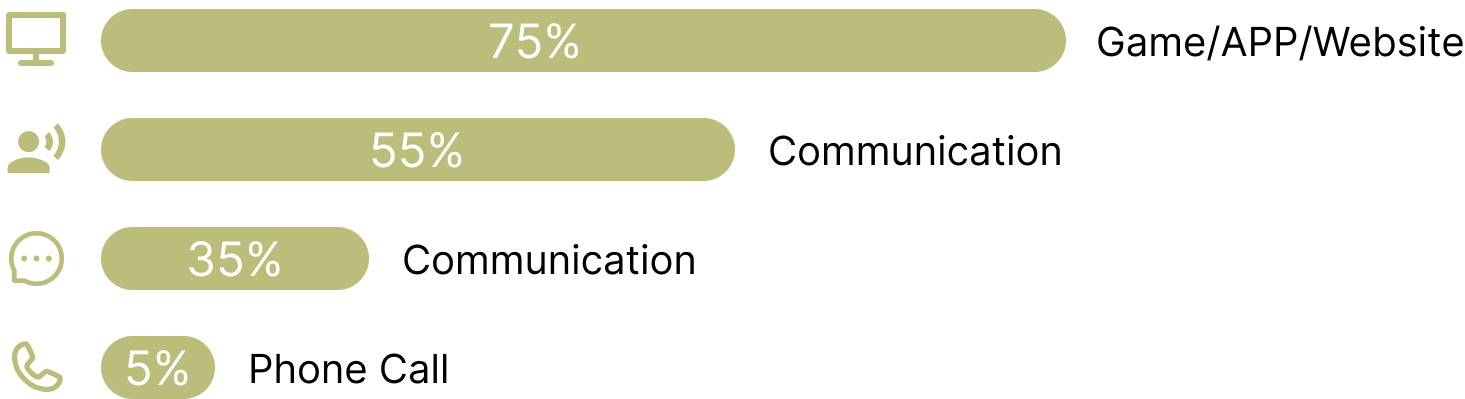
A survey was conducted on 40 participants to identify needs of customization, and which method customer will be willing to customize jewelry.
Interview
Davian (Customer): “I've tried a customization app before, but it was too complicated to use."
Competitive Analysis
Design Concept
User Flow
Sketches
Low-Fidelity Prototype
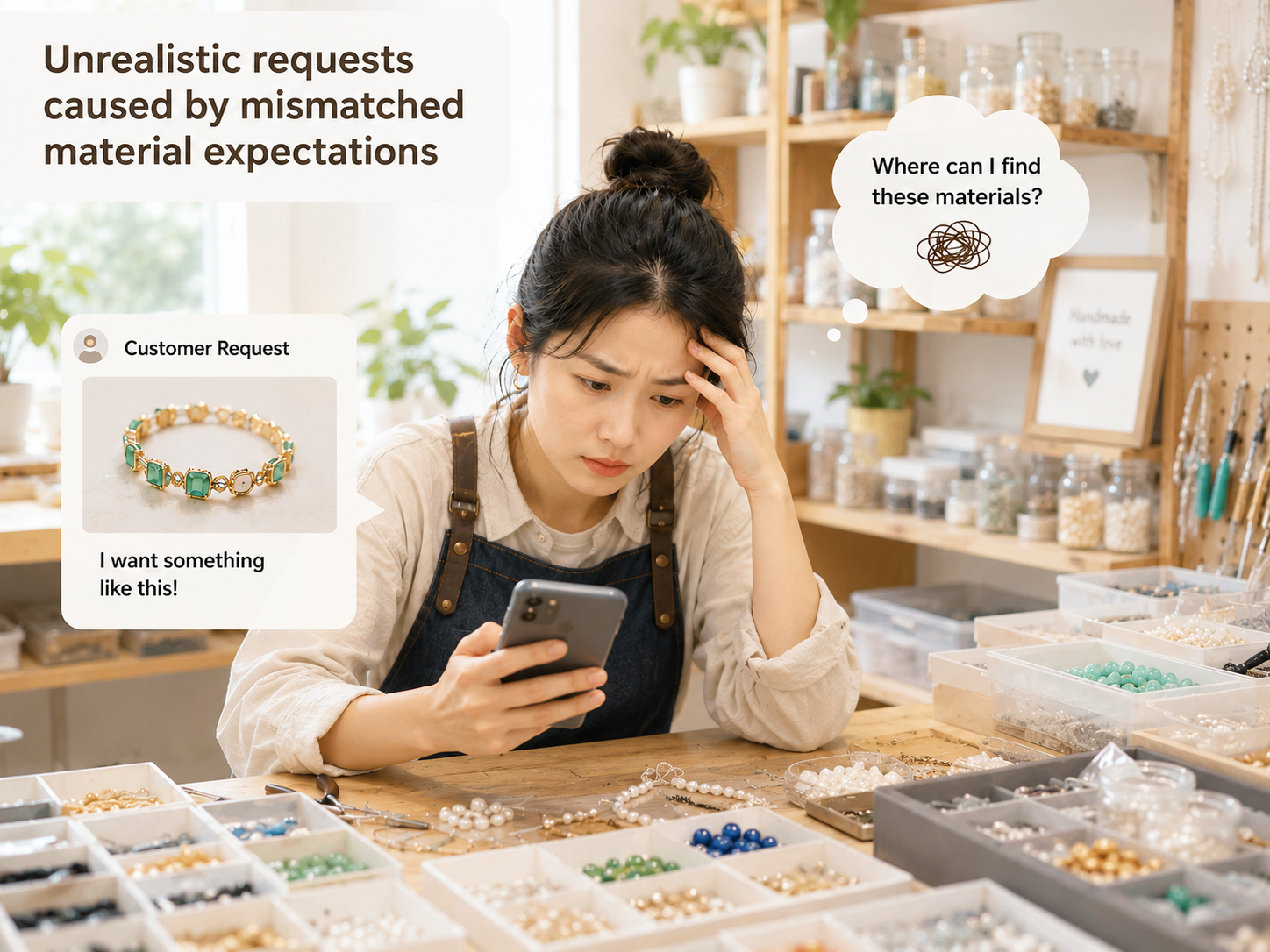
“Sometimes I can't find materials the customer want, so it's hard to accept order that work for both of us."
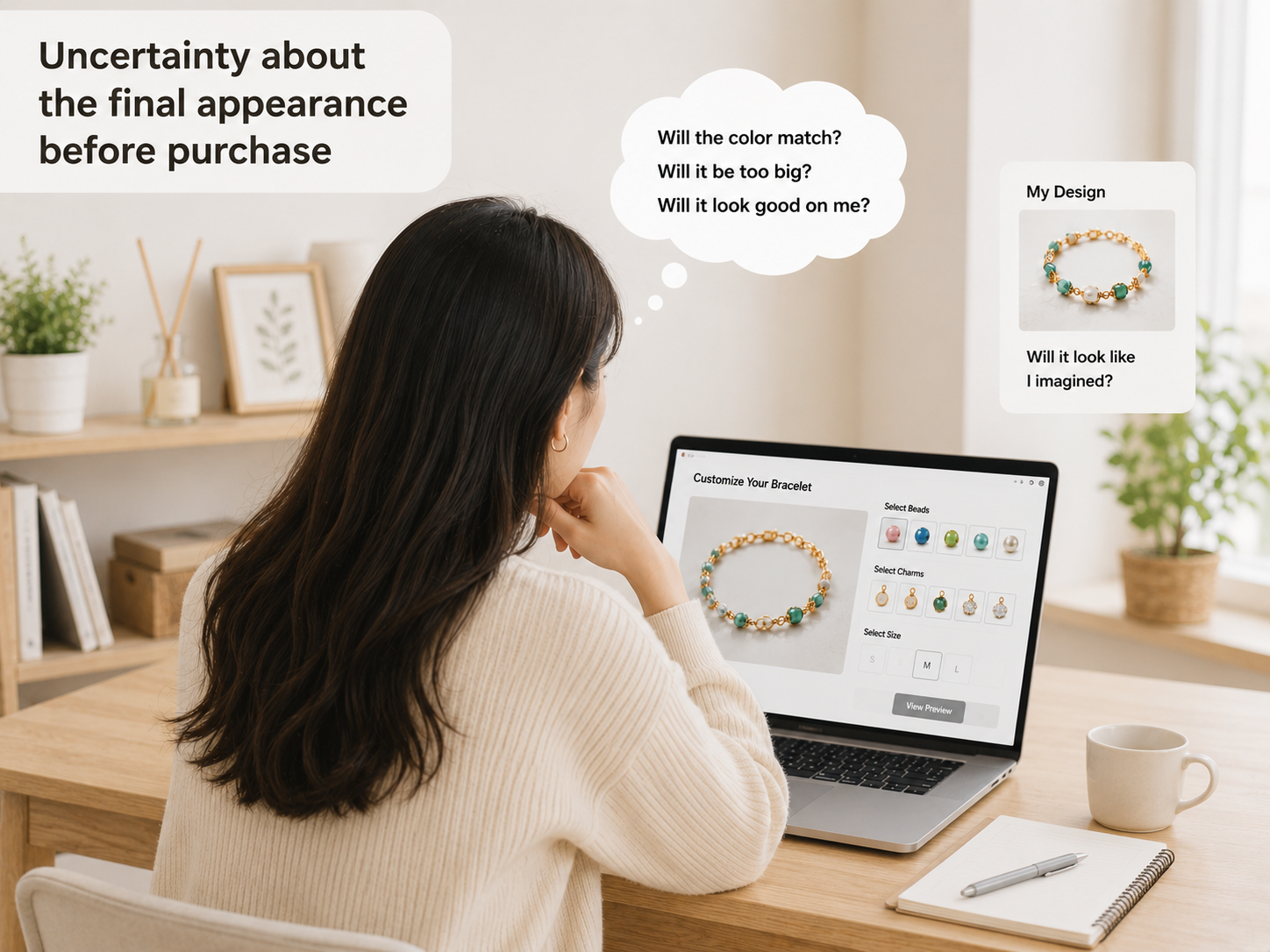
Key Takeaway: 3 Key Pain Points
Material-based System
Prevent unrealistic requests
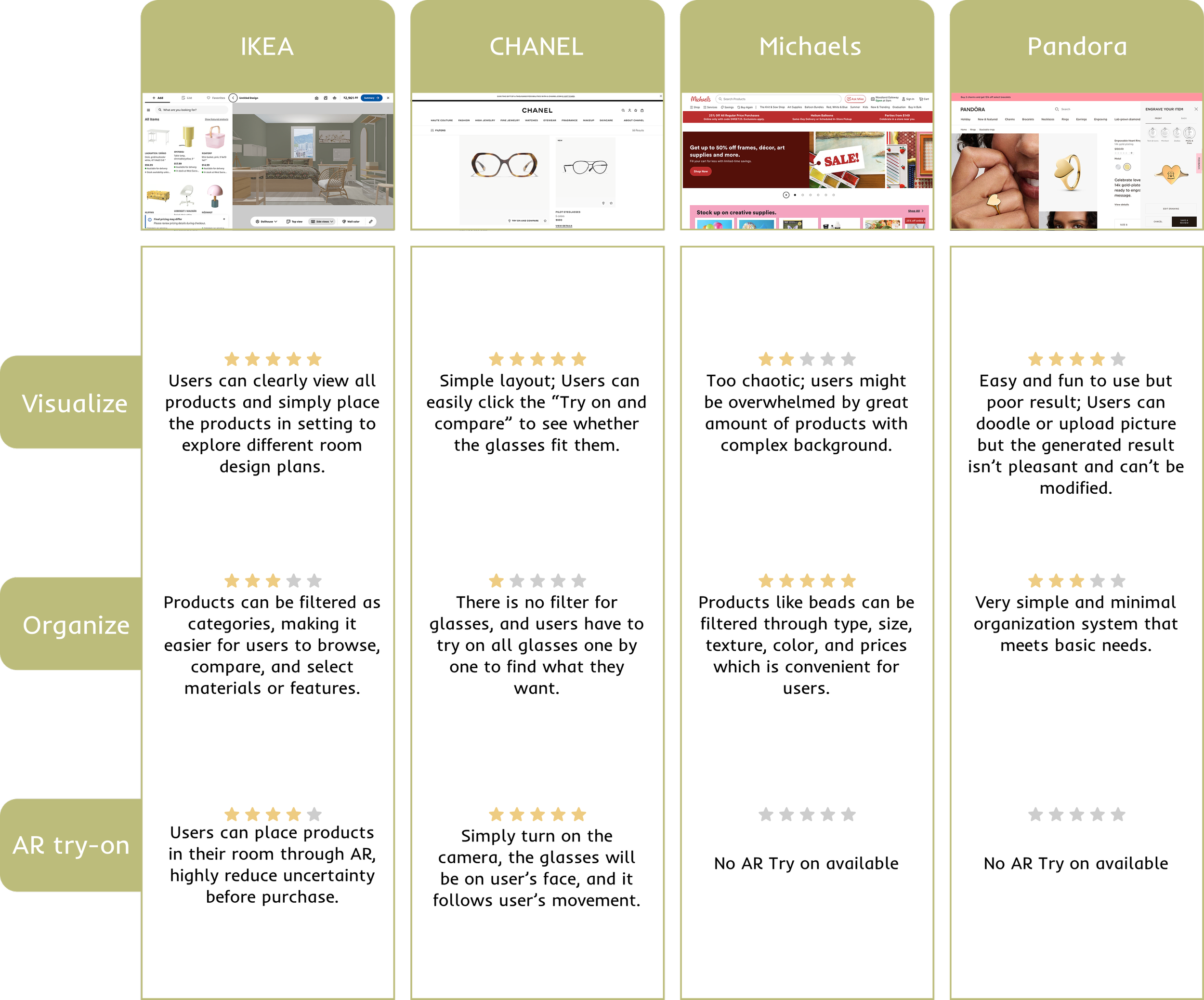
I analyzed four customization platforms across three key dimensions derived from user research: visualization, organization, and AR try-on.
As a result, Ikea has the best visualize for products, Chanel has the best AR try-on, Michaels has the best organize system, and pandora has the easy and fun customize system.
AR Try-on
Preview before purchase
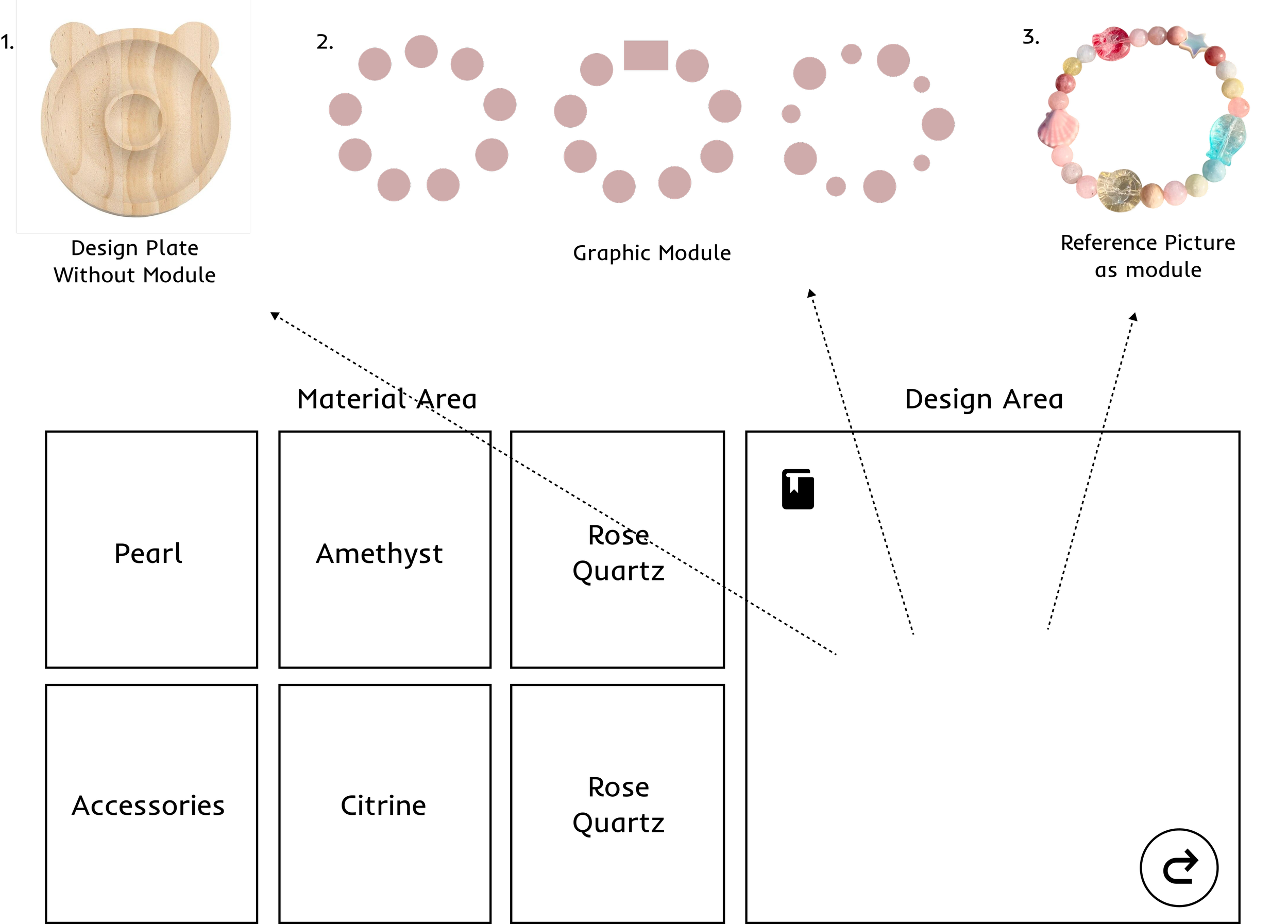
I first drew a basic draft for the main function: bracelet customization, and gathered votes from my customers to find out which module is the best for design area.
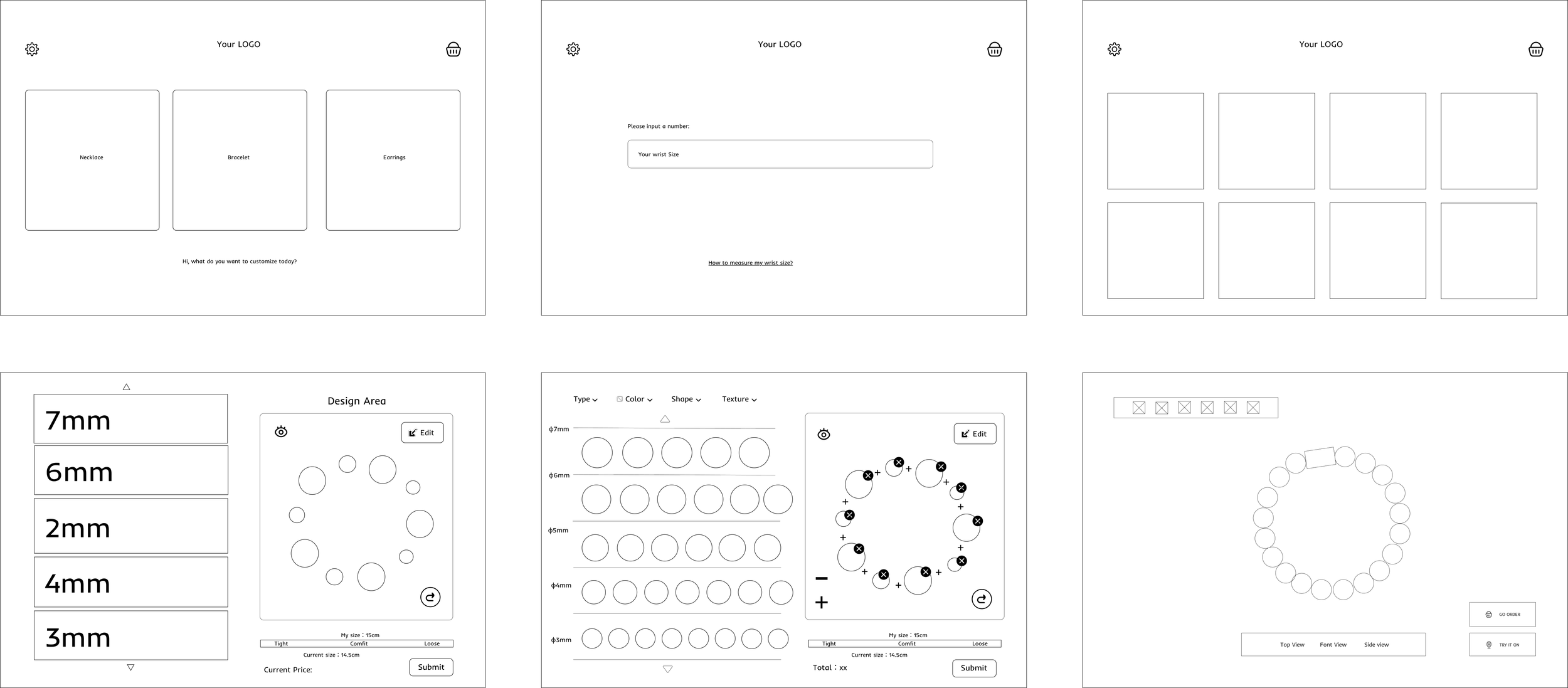
Using wirefram, I drew out the main functions of the plugin. Then, I invited my friend to perform a user testing. They suggested that P4 should have a shelf for displaying individual beads, while there should also be add/delte button to customize the bracelet.
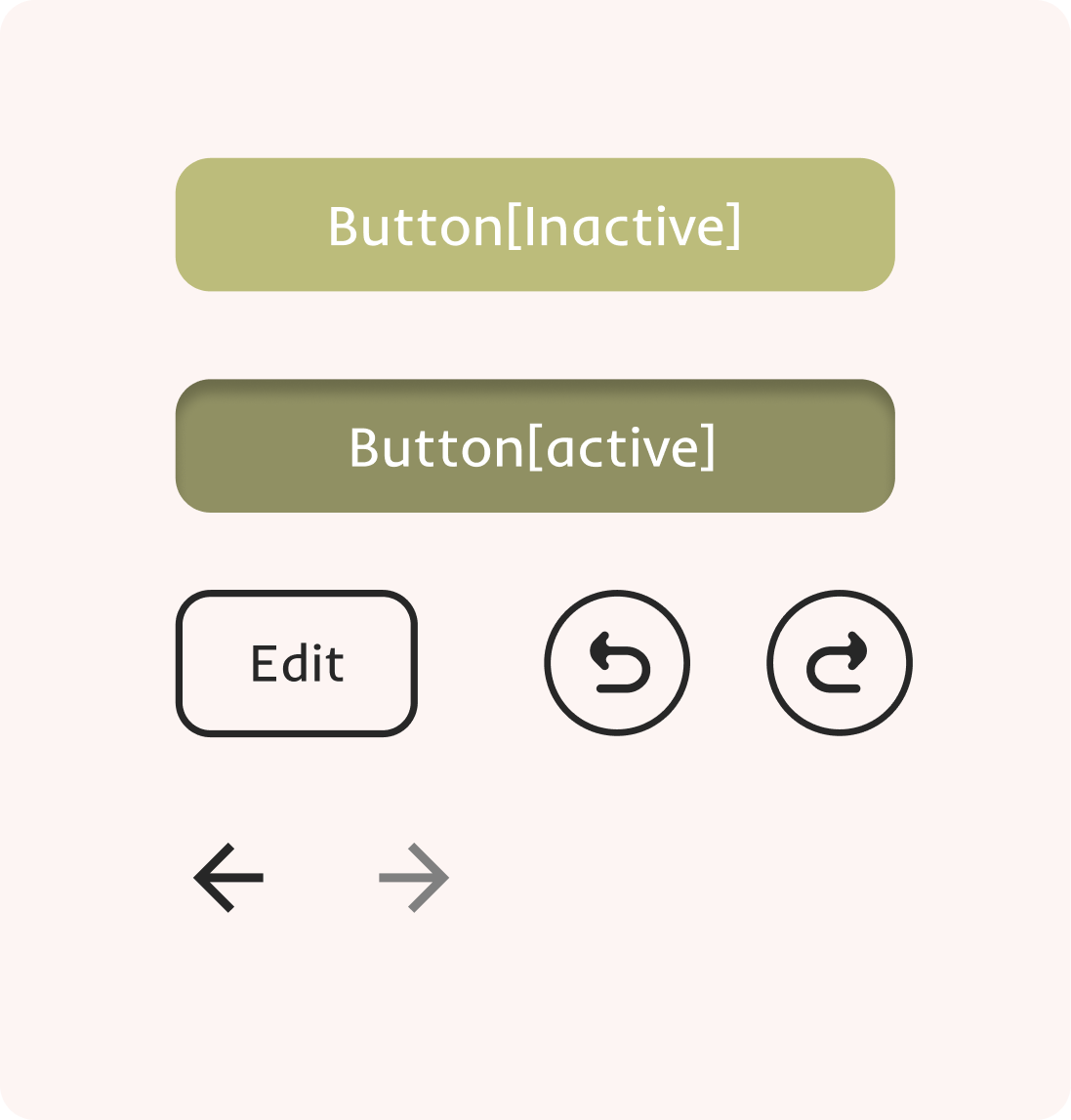
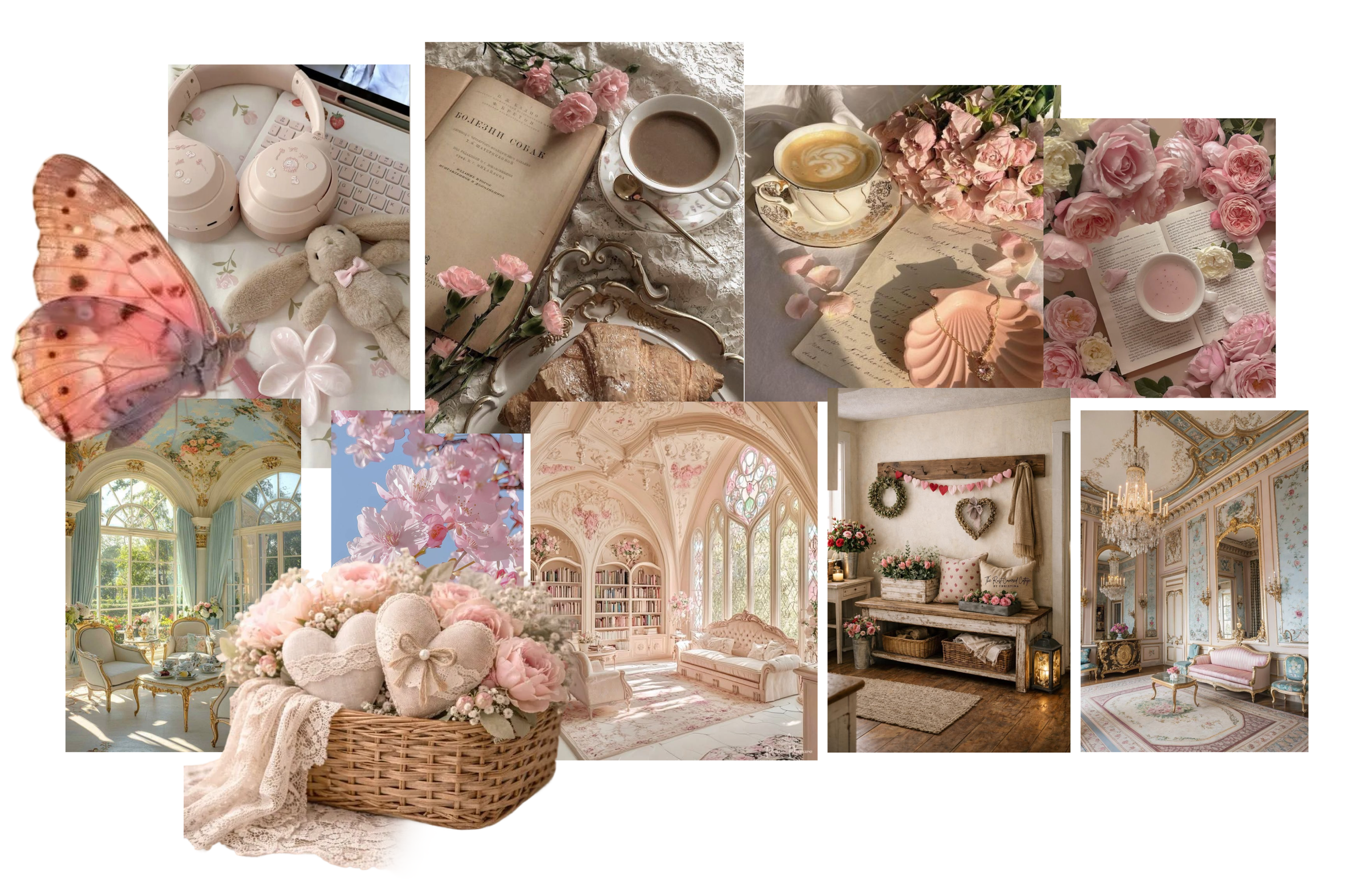
After researching communities interested in handmade crafts, I found that relaxed, warm, and cozy were the emotions most commonly associated with the experience. Green, yellow, and pink also emerged as the most preferred colors. Based on these insights, I created a mood board and developed a color palette that conveys a calm and peaceful atmosphere.
UI Design
UI Design